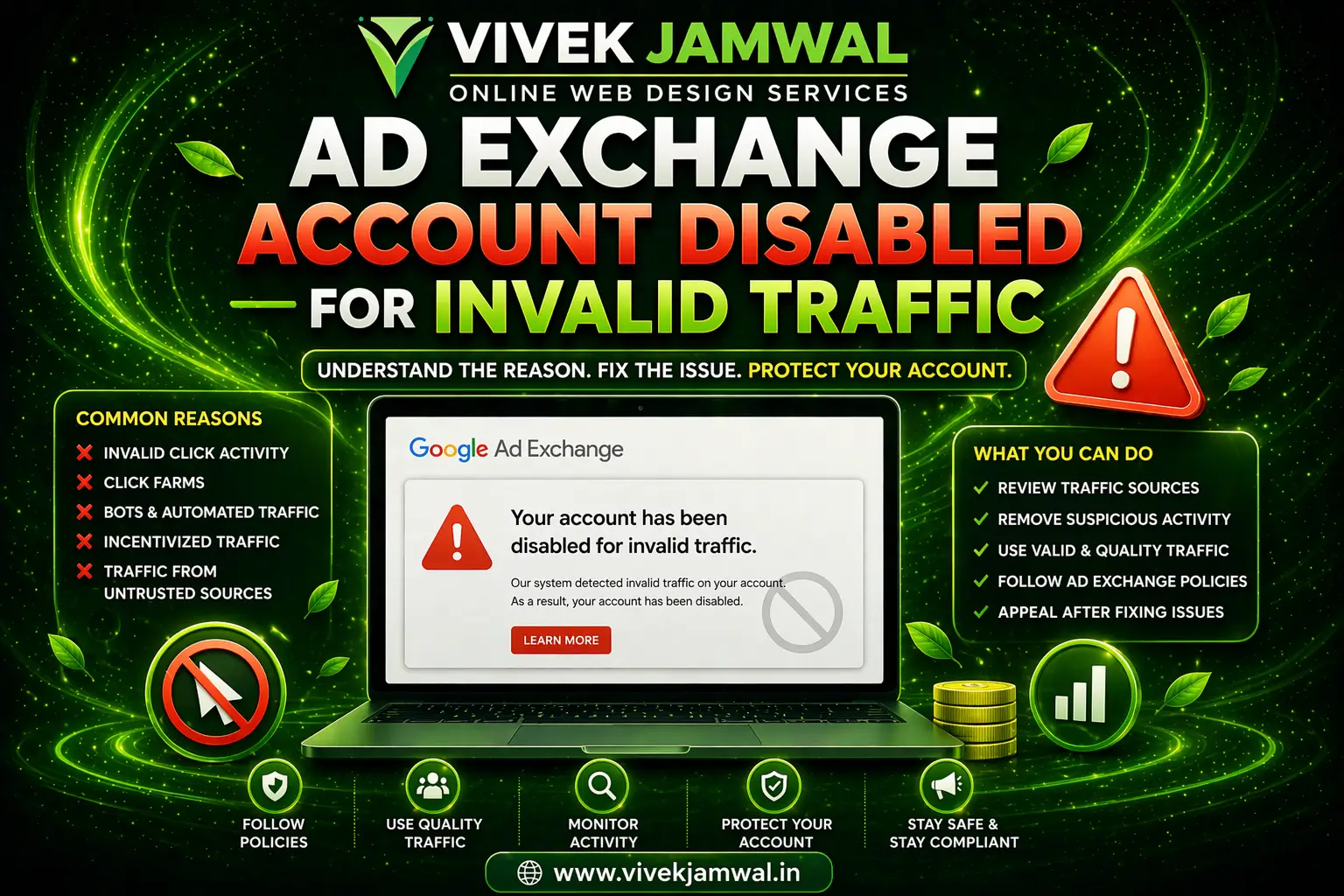
Ad Exchange Account Suspension: Complete Guide to Invalid Traffic Prevention 2026
Ad Exchange is an online marketplace that connects publishers and advertisers, facilitating the buying and selling of digital ad inventory. However, in order to maintain a fair and transparent ecosystem, Ad Exchange strictly monitors the quality of traffic flowing through its platform. One common reason for account suspension on Ad Exchange is invalid traffic. This comprehensive guide explains everything you need to know about preventing, identifying, and resolving ad exchange account suspension due to invalid traffic.
Table of Contents
- ➤ Understanding Ad Exchange Account Suspension For Invalid Traffic
- ➤ Common Reasons For Ad Exchange Account Disabling
- ➤ Consequences Of Invalid Traffic On Ad Exchange Accounts
- ➤ Steps To Prevent And Resolve Ad Exchange Account Suspension
- ➤ Types of Invalid Traffic You Must Know
- ➤ Tools to Detect Invalid Traffic
- ➤ How to Appeal a Suspended Ad Exchange Account
- ➤ Best Practices to Maintain Account Health
- ➤ Frequently Asked Questions
1. Understanding Ad Exchange Account Suspension For Invalid Traffic
Ad Exchange is an online marketplace that connects publishers and advertisers, facilitating the buying and selling of digital ad inventory. However, in order to maintain a fair and transparent ecosystem, Ad Exchange strictly monitors the quality of traffic flowing through its platform. One common reason for account suspension on Ad Exchange is invalid traffic. Invalid traffic refers to any activity that artificially inflates ad impressions or clicks, compromising the integrity of the advertising process.
This can include bot-generated traffic, click farms, or any other fraudulent means of generating ad interactions. When Ad Exchange detects suspicious or invalid traffic patterns associated with an account, it takes immediate action by suspending the account. This measure ensures that advertisers are not charged for fraudulent interactions and that publishers are not rewarded for artificially inflated engagement metrics. To avoid account suspension for invalid traffic, it is crucial to adhere to Ad Exchange’s policies and guidelines regarding ad quality and user engagement.
⚠️ Critical Alert: Invalid Traffic Warning Signs
- ➤ Sudden spikes in traffic without content changes
- ➤ Unusually high click-through rates (CTR above 10-15%)
- ➤ Traffic from known bot networks or data centers
- ➤ Low average session duration with high page views
- ➤ Geographic traffic patterns inconsistent with your audience
2. Common Reasons For Ad Exchange Account Disabling
When an ad exchange account gets disabled for invalid traffic, it usually occurs due to certain common reasons. Firstly, one of the primary causes is the presence of bot traffic on the website. This refers to automated visits generated by malicious software rather than genuine human users. Another reason could be the engagement in click fraud activities where publishers artificially inflate their ad clicks or impressions to increase revenue.
Additionally, displaying ads on prohibited content such as adult material, hate speech, or illegal activities can lead to account disabling. Furthermore, repeatedly violating ad exchange policies or failing to comply with industry standards and regulations can also result in account suspension. Lastly, inadequate monitoring and failure to take necessary actions against fraudulent activities can also contribute to an ad exchange account being disabled for invalid traffic.
3. Consequences Of Invalid Traffic On Ad Exchange Accounts
Invalid traffic poses significant consequences for ad exchange accounts, impacting both advertisers and publishers alike. Firstly, advertisers may experience financial losses as their ad budgets are wasted on fraudulent impressions and clicks. This can lead to reduced return on investment (ROI) and hinder the effectiveness of their advertising campaigns. Moreover, publishers face severe repercussions when their ad exchange accounts are disabled due to invalid traffic.
With a disabled account, publishers lose the opportunity to monetize their website or app through ads, resulting in a loss of revenue. This not only affects their ability to sustain their digital properties but also damages their reputation within the advertising ecosystem. Furthermore, the credibility of ad exchange platforms is at stake when invalid traffic goes unchecked. Advertisers may lose trust in these platforms and opt for alternative advertising channels, while publishers may seek other monetization options outside the ad exchange system.
⚠️ Warning: Serious Consequences of Account Suspension
- ➤ Loss of revenue — Zero ad earnings during suspension period
- ➤ Reputation damage — Difficulty joining other ad networks
- ➤ Permanent ban — Repeated violations can lead to lifetime ban
- ➤ Financial penalties — Advertisers may charge back fraudulent spend
- ➤ Legal consequences — Click fraud is illegal in many jurisdictions
4. Steps To Prevent And Resolve Ad Exchange Account Suspension
Step 1: Adhere to Policies
Familiarize yourself with Google Ad Exchange policies and ensure compliance with their guidelines for ad serving, content, and traffic quality. Regularly review policy updates to stay informed about changes that could affect your account status.
Step 2: Monitor Traffic Quality
Regularly monitor your website’s traffic sources to identify any suspicious or invalid activity. Utilize analytics tools and implement safeguards like CAPTCHAs or bot detection systems to prevent fraudulent traffic from reaching your ad inventory.
Step 3: Maintain Transparency
Provide accurate and up-to-date information about your website’s content, ownership, and advertising practices. Be transparent in disclosing any partnerships or affiliations that may impact ad serving. Complete your payment and tax information accurately.
Step 4: Report Invalid Activity
If you suspect invalid activity on your account, promptly report it to the Google Ad Exchange support team. Provide detailed information about the issue along with any supporting evidence, such as screenshots, timestamps, and IP addresses of suspicious traffic.
5. Types of Invalid Traffic You Must Know
6. Tools to Detect Invalid Traffic
Protecting your Ad Exchange account requires proactive monitoring. Here are essential tools to detect invalid traffic:
- ➤ Google Analytics 4 (GA4): Set up custom alerts for traffic spikes, high bounce rates, and suspicious geographic patterns.
- ➤ Google Search Console: Monitor for unusual crawl activity or security issues that could indicate bot problems.
- ➤ Cloudflare Bot Management: Automatically detects and mitigates bot traffic before it reaches your site.
- ➤ Pixalate or DoubleVerify: Specialized invalid traffic detection and prevention platforms for enterprise publishers.
- ➤ reCAPTCHA v3: Add to forms and login pages to block automated bot activity without user friction.
7. How to Appeal a Suspended Ad Exchange Account
If your Ad Exchange account has been suspended for invalid traffic, follow these steps to submit an appeal:
Step 1: Identify the Root Cause
Review your traffic sources, analytics data, and recent changes to your site. Identify any potential sources of invalid traffic such as bot attacks, purchased traffic, or unintentional policy violations.
Step 2: Fix the Issues
Implement fixes based on your findings. This may include blocking suspicious IP addresses, removing problematic ad placements, updating content to comply with policies, or installing bot detection tools.
Step 3: Prepare Your Appeal
Write a detailed, honest appeal explaining: what caused the invalid traffic, what steps you’ve taken to fix it, and how you will prevent future issues. Include supporting evidence (screenshots, logs, analytics data).
Step 4: Submit via Ad Exchange Support
Submit your appeal through the Google Ad Exchange support portal. Be patient — responses can take 2-4 weeks. Do not submit multiple appeals as this can delay the process.
8. Best Practices to Maintain Account Health
- ➤ Regularly audit your traffic sources: Review your analytics weekly to identify unusual patterns or new suspicious referrers.
- ➤ Implement ads.txt and sellers.json: These files verify authorized sellers and prevent domain spoofing.
- ➤ Use secure ad placements: Avoid placing ads near buttons, forms, or other elements that could cause accidental clicks.
- ➤ Monitor your click-through rate (CTR): Industry average CTR is 0.5% to 2%. CTRs consistently above 5-10% may indicate invalid activity.
- ➤ Never click your own ads: Even accidentally clicking your own ads is a policy violation. Use Google’s “Ad Review Center” to preview ads safely.
- ➤ Be cautious with traffic sources: Avoid buying traffic from low-quality sources. Always vet any paid traffic provider thoroughly.
- ➤ Keep software updated: Outdated CMS, plugins, or themes can have security vulnerabilities that bots exploit.
“Invalid traffic not only hurts advertisers but ultimately destroys publisher trust and revenue. The most successful publishers are those who proactively monitor their traffic quality and maintain transparent, policy-compliant operations.” — Ad Exchange Policy Expert
9. Frequently Asked Questions (FAQ)
What is considered invalid traffic on Ad Exchange?
Invalid traffic includes any clicks or impressions generated through prohibited means, including: automated bots, click farms, incentivized clicks, repeated manual clicks, forced clicks (malware), and fraudulent traffic sources. Even unintentional invalid traffic from poorly configured ad placements can lead to suspension.
How long does an Ad Exchange account suspension last?
Suspension length varies based on severity and history. First-time offenses with clear remediation may be resolved in 2-4 weeks. Repeat offenders or severe fraud cases can face permanent bans. Some accounts remain suspended indefinitely if Google determines the invalid traffic was intentional.
Can I create a new Ad Exchange account after suspension?
No. Creating a new account after suspension is a direct violation of Ad Exchange policies and will result in immediate permanent ban of the new account as well. Your only option is to successfully appeal the original suspension.
How does Google detect invalid traffic?
Google uses advanced machine learning algorithms, pattern recognition, IP analysis, user-agent validation, behavioral analysis, and cross-domain correlation to detect invalid traffic. Their systems analyze millions of data points per second to identify fraudulent activity.
Will I lose my unpaid earnings if my account is suspended?
Yes, typically. When an account is suspended for invalid traffic, unpaid earnings are usually withheld or reversed. Advertisers are refunded for fraudulent clicks/impressions, and publishers do not receive payment for invalid traffic. This is clearly stated in Ad Exchange terms of service.
🛡️ Protect Your Ad Exchange Account Today
Monitor your traffic, follow policies, and act quickly on any suspicious activity. A healthy account means sustainable, long-term revenue.